
STARS: Major | All | Constellations | Chinese | About
Minkar at 11°40′ Libra has an orb of 1°50′
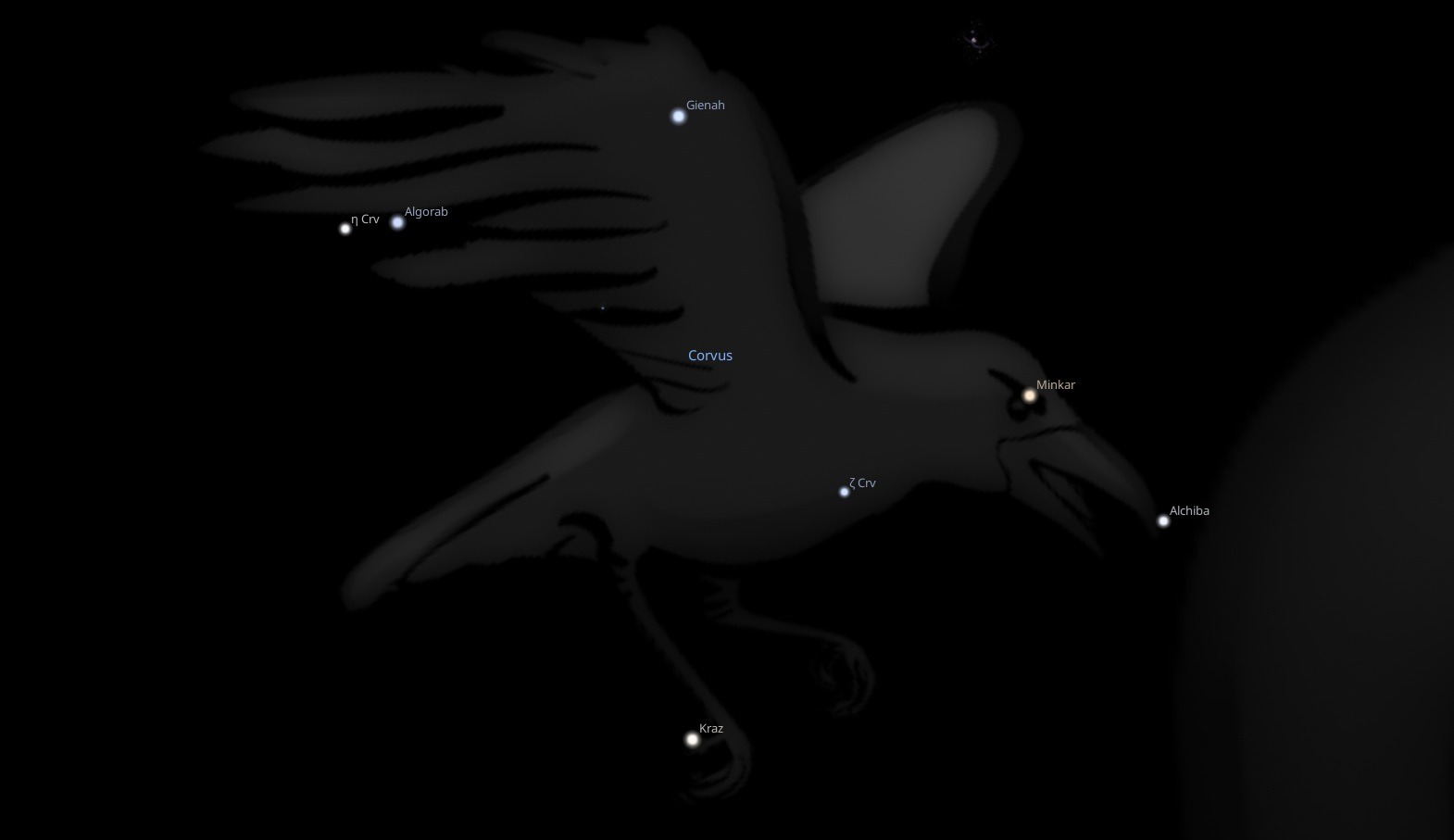
Corvus Constellation [Stellarium]
The Sun joins Minkar on October 4
Fixed star Minkar, Epsilon Corvi (ε Crv), is a 3rd-magnitude single star on the Eye of the Crow, Corvus Constellation.
Magnitude 3.02, Spectral type K2 III, color orange. ε Crv is a slow spinner, with a projected rotational velocity of 1.0 km/s. [1]
ε Crv is traditionally named Minkar.
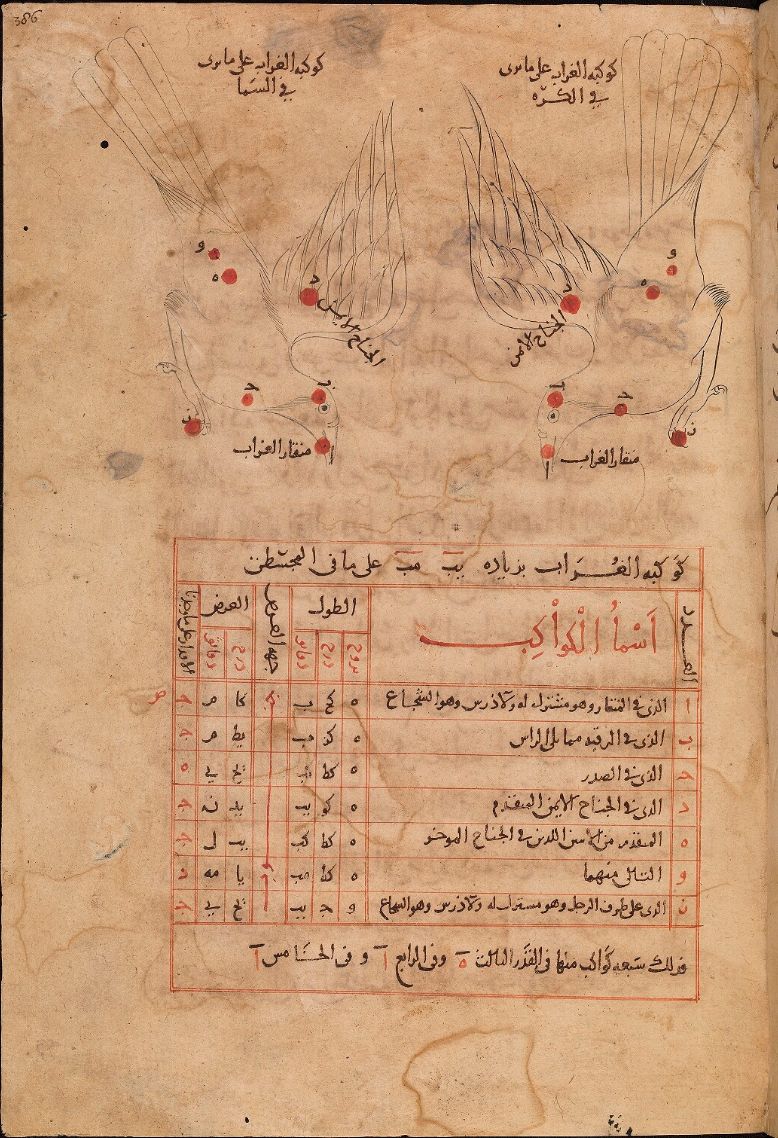
Derived from the Arabic minqar, meaning “beak.” It comes from the phrase Al Minkar al Ghurab, meaning “the beak of the crow.” [1] From the Book Of Fixed Stars, Constellation: The Crow, by Al-Sufi, 964. [2]
In Chinese astronomy, ε Crv is named 軫宿二 Zhensuer, “Chariot Asterism II,” in the asterism Zhen (Chariot), the 1st asterism of the 28th lunar mansion Zhen (Chariot). [3]
| 2000* | 2050 | Name | Orb |
| 09♎56 | 10♎38 | Vindemiatrix | 2°00′ |
| 10♎08 | 10♎50 | Porrima | 2°00′ |
| 11♎40 | 12♎22 | Minkar | 1°50′ |
| 12♎15 | 12♎57 | Alchiba | 2°00′ |
| 13♎27 | 14♎09 | Algorab | 1°50′ |
Minkar Astrology
Fixed star Minkar has the spectral type K2, indicating the planetary nature of Mars.
MARS: Violent death, ultimate ruin by folly or pride. If rising, Wealth, power, courage, generosity, ingenuity, rise to authority, martial success, subject to cuts, wounds, accidents, sores and injuries to the face, pains in the head and fevers. If culminating, Martial eminence, success in trade and in occupations of a Mars nature. If afflicting Mercury, deafness. [4]
SPECTRAL CLASS K: The drive to succeed, success, activity, power, calamities, notoriety, violence, self-destruction, brute force, bad morals, demonic power, anxiety, tragedies, boldness, shamelessness, daring, many dangers. Negatively, impatience, irritability, hostility, excessive drive, overly ambitious nature, subject to self-destruction and violence. [5]

Epsilon Corvi, Minkar [SIMBAD]
Asterism Zhen the Chariot
10♎43 to 17♎22
Zhen is generally inauspicious and can bring separation, financial ruin, constant fear and unease. Traveling to the north is considered unlucky. It is fortunate for buying farmland, enrolling in school, building, weddings, and tailoring.
People born under the Zhen are quick-witted, efficient, adaptable, steady, and insightful, and learn new skills quickly. With a thirst for truth and philosophical thought, they enjoy art and religion and prefer to immerse themselves in the spiritual world. They can do great things, are destined to have daughters, and are suited for immigrating abroad. Developing their careers in the south is auspicious.
However, they are impatient, introverted, timid, prone to jealousy and tend to have poorer health. Because of their low-key approach, they suit behind-the-scenes work or decision-making. Most people born under Zhen are gentle and soft-spoken, which can make them seem quiet and delicate. However, deep down, they won’t allow others to cross their boundaries or get too close. They tend to isolate themselves in their own world. [6]
Song History (1346)
Zhen represents the Prime Minister, ministerial aides, chariots and cavalry, and the transport of burdens, the wind and portends death and mourning.
If the stars are large and bright, chariot forces are fully prepared; if they shift position, the Emperor worries; if they cluster together, war breaks out.
A solar eclipse here signifies trouble for generals and ministers and warns officials in charge of chariots; it also signifies unease for the Empress.
A halo accompanied by “parhelia” (mock suns or “back-suns”) indicates that armies will rise, cities will fall, and victory lies in attacking the direction indicated by the mock sun; it is also considered a bad omen for the ruler.
A lunar eclipse brings trouble to the Empress and high ministers. A lunar halo signals warfare, drought, and strong winds.
If Mercury transgresses Zhen, epidemics spread, ministers face trouble, and a high-ranking figure in the Central Kingdom dies. If it remains over Zhen Su for an extended period, great floods occur. If it enters Zhen, the world will suffer fire, or a national mourning event will occur.
If Venus transgresses Zhen, war breaks out, and territory is seized. If it enters Zhen, war breaks out; if it remains over Zhen Su, land is lost, and generals face trouble. If it rises from the left horn (Spica) and moves in retrograde to Zhen Su, territory is lost. If it traverses across the sky, armies fill the fields.
If Mars transgresses Zhen, mutinous troops appear; if it enters Zhen, a general rebels, water damages crops, and superstitious rumors spread among the people; if it moves in retrograde, it portends fire and war.
When Jupiter transgresses Zhen, it brings fire, epidemics, trouble for ministers, and punishment for those in charge of the treasury (armory); if it enters Zhen, the state faces ruin; if it lingers there, the state suffers a royal death; if it remains for seven days without moving, there will be an amnesty, though the ruler may also face trouble.
If Saturn transgresses Zhen, it signals war and major earthworks; if it enters Zhen, the army will be defeated; if it moves in retrograde, the female ruler faces trouble; if it enters, exits, stations, or lingers there, war breaks out within sixty days, accompanied by severe drought.
If a “guest star” (an unexpected star or nova) transgresses Zhen, it heralds warfare and mourning; if it enters the asterism, there will be major earthworks, a rise in grain prices and the arrival of envoys from feudal lords; if it exits, the ruler will dispatch envoys to the feudal lords; if it remains over Zhen Su for an extended period, border hostilities will erupt, and the people will face famine; if it settles upon the “hub” (Changsha), military commanders will face distress.
If a comet transgresses Zhen, it signifies war and mourning; a reddish hue signifies the ruler’s moral failure, or alternatively, it indicates that the emperor raises an army or dukes are deposed.
If a 孛 “bei” star (a hairy or hazy tailless comet) appears in Zhen Su, it also signifies warfare and mourning; alternatively, it indicates subordinates plotting against superiors or the ruler has worries.
If a meteor (falling star) transgresses Zhen, it signifies war and mourning, and within a year, the treasury will be empty. If it occurs in spring or summer, it signifies leather being used for military purposes; if in autumn or winter, floods and droughts disrupt seasonal balance. [7]
Constellation Corvus the Crow
03♎53 to 21♎57
CORVUS. The Crow.
Legend. Apollo gave a feast to Jupiter and requiring water sent the raven with a cup (CRATER) to fetch some. On his way the raven noticed a fig tree, and, resting there until the figs became ripe, feasted himself upon them until, remembering his errand and fearing the anger of Apollo, he picked up a snake (HYDRA) and on his return gave as an excuse that it had prevented him from filling the cup. Apollo ordained in punishment that the raven should never drink so long as figs were not ripe, and placed the crow, cup and snake in the heavens as a memorial.
Influence. According to Ptolemy, Corvus is like Mars and Saturn. It is said to give craftiness, greediness, ingenuity, patience, revengefulness, passion, selfishness, lying, aggressiveness, and material instincts, and sometimes causes its natives to become agitators. [4]
Today called Corvus (Crv), this constellation has all the traditional attributes of Mercury, but with some distinct perversions! The sharp intelligence is blunted, and what passes for wisdom is superficial. Mercury is there, but any attempt to manifest its abilities ends in disaster. Ovid explained the phenomena by claiming Apollo punished the Raven for her unfaithfulness. Ptolemy asserts that the stars of the constellation portend storms, and some astrologers say it gives craftiness and greediness. [8]
In mundane astrology, Corvus rules terrorism, terrorist attacks and bombings, hostage-taking, Blitzkrieg military attacks, missiles, assassinations, blockades, and military transport vehicles such as tanks and armored personnel carriers.
Fixed Star Minkar Conjunctions
Ascendant conjunct Minkar: Wealth, power, courage, generosity, ingenuity, rise to authority, martial success, subject to cuts, wounds, accidents, sores and injuries to the face, pains in the head and fevers. [4]
Midheaven conjunct Minkar: Martial eminence, success in trade and in occupations of a Mars nature. [4]
References
- Minkar (Epsilon Corvi): Star Facts.
- Epsilon Corvi – Wikipedia.
- Corvus in Chinese astronomy – Wikipedia.
- Fixed Stars and Constellations in Astrology, Vivian E. Robson, 1923, p. 41, 100, 233.
- The Power of the Fixed Stars, Joseph E. Rigor, 1979, p.246.
- Zhen (Zhen Water Earthworm).
- Song History, Volume 51, Treatise 4, Astronomy, 1346.
- Fixed Stars and Judicial Astrology, George Noonan, 1990, p.71-72.